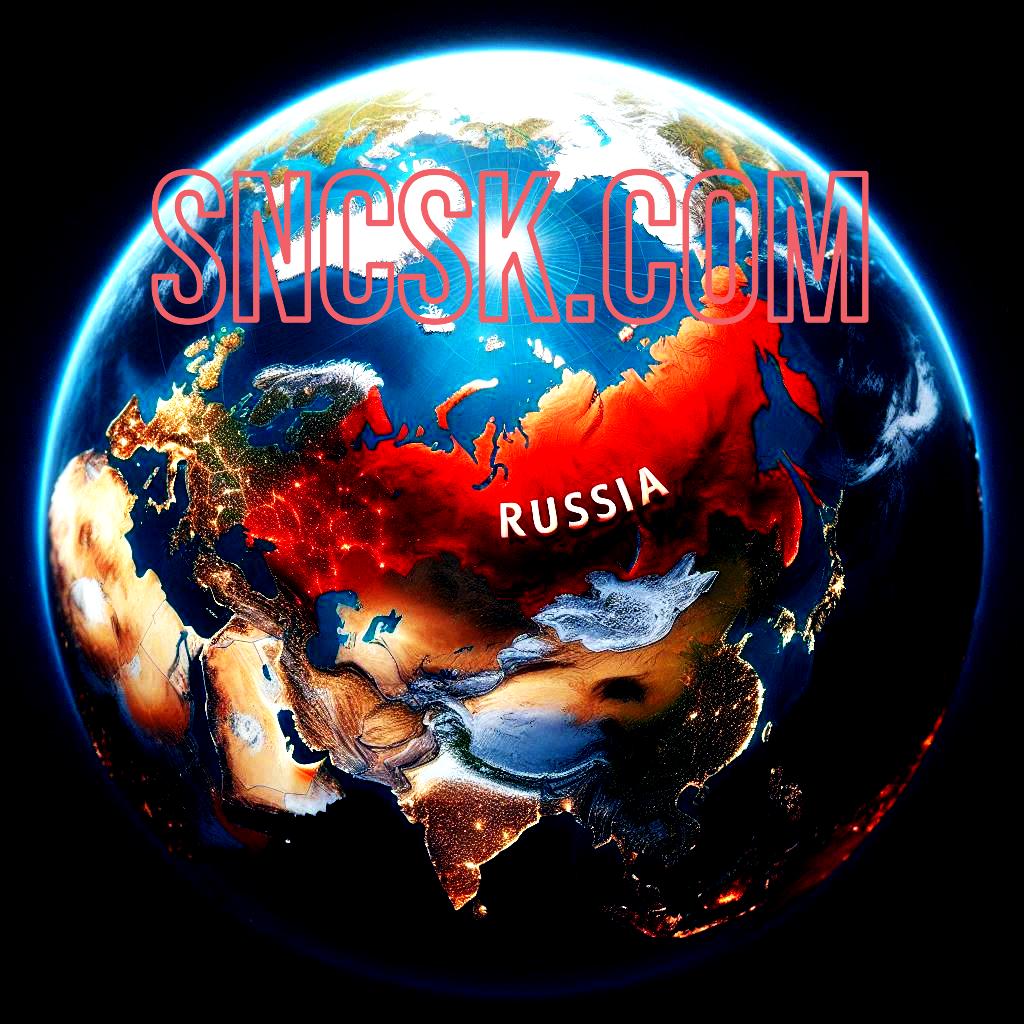
In the sprawling expanse of Eurasia, where the boundaries between East and West blur, lies Russia—a country as enigmatic as it is vast. With its 17.1 million square kilometers, Russia is the largest nation on earth, stretching from the frosty tundras of the Arctic to the temperate forests of its European heartland, and from the steppes of Siberia to the sunlit shores of the Black Sea. This immense landscape is matched only by the profound complexity of Russia’s history, culture, and geopolitical significance.
Russia’s narrative is a tapestry woven from threads of resilience, innovation, and turmoil. The origins of this nation trace back to the medieval state of Kievan Rus, which laid the cultural and historical groundwork for modern Russia. The rise of the Grand Duchy of Moscow in the 14th century heralded the consolidation of Russian lands under the auspices of the Tsars, who expanded the realm through a combination of diplomacy and conquest. The imperial era, particularly under the rule of Peter the Great and Catherine the Great, marked a period of monumental change as Russia sought to position itself as a major European power, modernizing its military, economy, and cultural institutions.
Yet, the 20th century brought seismic shifts. The Russian Revolution of 1917 dismantled the Tsarist autocracy and gave birth to the Soviet Union—a superstate that would go on to play a central role in global politics, both as a formidable adversary and a key ally during World War II. The Soviet era was marked by rapid industrialization and scientific achievements, including launching the first artificial satellite, Sputnik, in 1957. However, it was also characterized by political repression and economic challenges, which eventually contributed to the Soviet Union’s dissolution in 1991.
The post-Soviet period has been a time of dramatic transformation and identity reformation. Russia, under the leadership of Boris Yeltsin and later Vladimir Putin, has navigated a complex path of economic restructuring, political consolidation, and assertive foreign policy. The transition from a command economy to a market-based system was tumultuous, leading to both significant growth and profound social challenges. The contemporary Russian landscape is one of increasing geopolitical assertiveness, as seen in its actions in Ukraine and Syria, and a renewed emphasis on global influence.
Russian culture, with its rich literary, artistic, and musical heritage, offers a counterpoint to the tumultuous political narrative. From the lyrical prose of Leo Tolstoy and Fyodor Dostoevsky to the innovative compositions of Pyotr Ilyich Tchaikovsky and Igor Stravinsky, Russia’s cultural contributions have left an indelible mark on the global stage. The iconic onion domes of Saint Basil’s Cathedral, the grandeur of the Bolshoi Theatre, and the haunting beauty of Russian folk music reflect a deep-seated connection to the past while embracing the complexities of modernity.
In contemporary Russia, the juxtaposition of historical grandeur and current challenges creates a portrait of a nation that is both deeply rooted in tradition and dynamically evolving. The Russian people, with their resilience and ingenuity, continue to navigate the intricate dance of maintaining their rich heritage while addressing the demands of an increasingly interconnected world.
As Russia stands at the crossroads of its past and future, it remains a compelling subject of global interest. Its vast landscapes, rich cultural legacy, and complex political dynamics make it not just a country, but a powerful narrative of human ambition and endurance—a true enigma of the East.