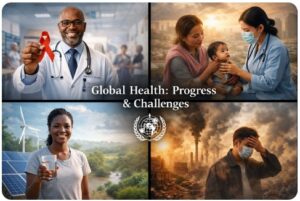
Recent global health updates paint a picture of cautious optimism mixed with urgent challenges. According to new international health assessments, the world is making measurable progress in critical areas such as HIV prevention and universal health coverage. At the same time, persistent inequalities, funding gaps, and emerging risks continue to test health systems worldwide. Together, these realities show that global health is not standing still but it is far from secure.
One of the most encouraging developments is the advancement in HIV prevention and treatment. Expanded access to preventive tools, early testing, and long-acting therapies has helped reduce new infections in several regions. Communities once hardest hit are now seeing improved outcomes, proving that science, when paired with strong public health strategies, can change the course of epidemics. These gains are not accidental; they are the result of sustained investment, awareness campaigns, and international cooperation.
Progress is also visible in the push toward universal health coverage. More countries are expanding access to essential services, ensuring that people can receive care without facing financial ruin. This shift reflects a growing understanding that health is not a privilege, but a foundation for economic stability, education, and social well-being. When people can access doctors, medicines, and preventive care, societies become more resilient.
However, these achievements exist alongside serious challenges. Health inequality remains one of the biggest obstacles. While some regions benefit from advanced healthcare systems, others struggle with shortages of workers, medicines, and basic infrastructure. Rural communities, marginalized populations, and low-income countries often lag behind, widening the gap between promise and reality.
Environmental factors are adding new pressure. Climate change is reshaping health risks by increasing heat-related illnesses, spreading infectious diseases, and threatening food and water security. Pollution continues to affect respiratory and cardiovascular health, particularly in rapidly urbanizing areas. These environmental threats are not future concerns they are already impacting millions, linking planetary health directly to human survival.
Another growing concern is health system fatigue. After years of managing global emergencies, many systems face workforce burnout and limited resources. This strain makes it harder to maintain routine care, respond to new outbreaks, or scale innovative programs. Without renewed investment and smarter planning, progress could stall or even reverse.
Despite these hurdles, the overall message is clear: global health is moving forward, but unevenly. The lessons learned from recent successes show what is possible when science, policy, and community action align. The remaining challenges remind us that progress is fragile and must be protected.
The future of global health will depend on sustained commitment financial, political, and moral. Advancing prevention, strengthening health systems, and addressing environmental risks are not separate goals; they are interconnected steps toward a healthier world. The headlines may change, but the mission remains the same: ensuring that health progress reaches everyone, everywhere.